
How to Stop Jaw Clenching
May 22, 2026 9:00 amJaw clenching can be sneaky. You may not notice it while it is happening, but you feel the evidence later. Your jaw feels tired when you wake up. Your temples ache by midafternoon. Your teeth feel sensitive, your face feels tight, or you catch yourself holding your mouth tense while driving, working, reading, or trying to fall asleep.
The frustrating part is that clenching often becomes a habit before people realize it. Unlike chewing, talking, or yawning, clenching does not serve a useful daily purpose. It puts repeated pressure on the teeth, jaw joints, and chewing muscles. Over time, that pressure can lead to worn enamel, cracked teeth, sore muscles, headaches, damaged dental work, and a bite that feels off.
At Beaufort Center for Dentistry in Beaufort, SC, Dr. Louis Costa III helps patients understand what may be driving jaw clenching and how to protect their teeth from the pressure. Stopping clenching is not always as simple as telling yourself to relax your jaw. The right TMJ therapy depends on when you clench, how much damage is already showing, and whether your bite, sleep habits, stress, or muscle tension are part of the pattern.
What Jaw Clenching Actually Is
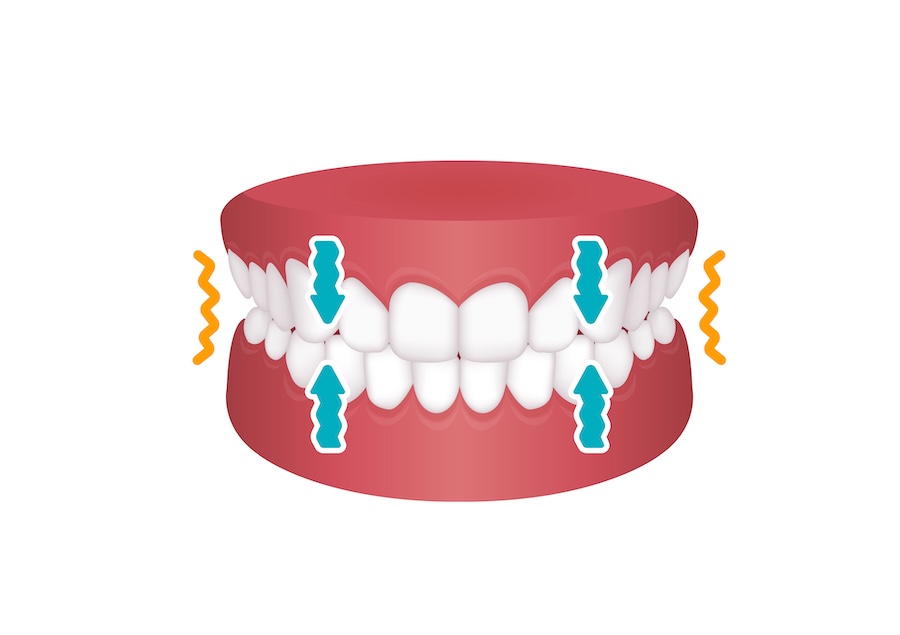
Jaw clenching happens when the upper and lower teeth press together with more force than they need. Sometimes it happens during sleep, and sometimes it happens during the day without the person realizing it. Many people clench while concentrating, driving, exercising, working at a computer, or dealing with stress.
Clenching is different from grinding, although the two often overlap. Grinding usually involves sliding the teeth against each other, while clenching is more about holding pressure. Both can strain the teeth, muscles, and jaw joints.
A little brief contact between the teeth during chewing or swallowing is normal. Constant pressure is not. When the teeth stay pressed together for long stretches, the chewing muscles keep working even though there is no food to chew.
That repeated muscle work can leave the jaw feeling tired or sore. It can also place more force on the teeth than they were meant to handle outside of normal chewing.
Signs You May Be Clenching Your Jaw
Jaw clenching does not always announce itself clearly. Some people feel jaw soreness right away, while others only notice the dental damage during a checkup. Because clenching can happen during sleep, you may not be aware of the habit until symptoms begin.
Common signs include morning jaw tightness, headaches near the temples, facial soreness, tooth sensitivity, worn or flattened teeth, chipped enamel, cracked fillings, or teeth that feel tender when biting. Some patients also notice ear-area discomfort, neck tension, or a tired feeling in the jaw after a long day.
You may also catch yourself clenching during certain activities. If your teeth are touching while you are reading this and you are not chewing, that is a useful clue. At rest, your lips can be closed, but your teeth should usually be slightly apart.
If any of these signs sound familiar, it is worth bringing them up at your next visit. Dr. Costa can look for wear patterns, muscle tenderness, and bite-related clues that may point to clenching.
Why People Clench Their Jaws
Jaw clenching can have more than one cause. Stress is a common trigger, but it is not the only one. Some people clench when they are focused, anxious, angry, or physically tense. Others clench during sleep and have no memory of doing it.
Bite alignment can also play a role. If certain teeth hit harder than others, the jaw may keep searching for a comfortable resting position. Over time, that can contribute to muscle tension or uneven pressure.
Sleep quality may be part of the pattern as well. Some people clench or grind more during certain sleep stages, during periods of poor sleep, or when breathing disruptions are present. Caffeine, alcohol, nicotine, certain medications, and stimulant use can also contribute for some patients.
Because the cause can vary, the best treatment is not always the same for everyone. A person who clenches during the workday may need different strategies than someone who clenches heavily during sleep.
Start by Noticing When It Happens
The first step in reducing jaw clenching is learning your pattern. Many people clench in the same situations over and over. It may happen during computer work, while driving, while scrolling on a phone, during workouts, or while trying to fall asleep.
A simple check-in can help. Several times a day, ask yourself where your teeth are. If they are pressed together and you are not eating, gently separate them. Let your tongue rest lightly behind the upper front teeth, allow the jaw to hang loose, and keep the lips relaxed.
It can help to connect this check-in to something you already do. Every time you stop at a red light, open your email, refill your water, or sit down at your desk, check your jaw. Repetition is what helps retrain the habit.
This does not solve nighttime clenching, but it can reduce daytime pressure. For many patients, that is a meaningful start.
Use the “Lips Together, Teeth Apart” Position
A relaxed jaw position is simple, but it may feel unfamiliar if you clench often. The lips can rest together gently, but the teeth should not stay pressed together. There should usually be a small space between the upper and lower teeth when the jaw is at rest.
The tongue can rest lightly against the roof of the mouth, just behind the upper front teeth. The jaw should feel loose rather than locked. Your shoulders should not be creeping toward your ears, either, because jaw tension and upper-body tension often travel together.
This position can be practiced during the day. It works especially well when paired with a slow breath. Inhale through the nose, let the shoulders drop, and allow the back teeth to separate.
At first, you may notice that your teeth drift back together quickly. That is normal. The goal is not perfection. It is to interrupt the pattern often enough that your muscles stop treating clenching as the default setting.
Reduce Triggers That Keep the Jaw Active
Certain habits can keep the chewing muscles busier than they need to be. Chewing gum for long periods, biting fingernails, chewing pens, crunching ice, or holding objects between the teeth can all keep the jaw muscles engaged.
If you are trying to stop clenching, give the jaw fewer reasons to stay switched on. Skip gum for a while, avoid hard snacks when your jaw feels sore, and keep pens or hoodie strings out of your mouth. These habits may seem small, but they add extra workload to muscles that are already tense.
Pay attention to workouts too. Many people clench during lifting, running, or intense exercise. Instead, try breathing through effort and keeping the teeth apart unless you are wearing a protective athletic mouthguard for sports.
The less unnecessary chewing and biting your jaw does during the day, the easier it may be for the muscles to settle.
Lower Stress Where You Can, but Look at the Full Picture
Stress is a common clenching trigger, especially during busy seasons, poor sleep, deadlines, travel, or major life changes. Many people hold tension in their jaw without realizing it, the same way others carry tension in their shoulders or neck.
Small resets during the day can help. Take a slow breath, let your shoulders drop, and check whether your back teeth are touching. If they are, gently separate them and let your jaw rest. Doing this several times a day can make the habit easier to catch.
It can also help to look at routines that keep the body more keyed up. Late-day caffeine, poor sleep, long stretches at a desk, and constant screen time can all make tension harder to shake. You do not need a perfect routine, but small changes can make the jaw less likely to stay braced all day.
Stress management can help, but it may not fully solve clenching, especially if it happens during sleep or has already started damaging the teeth. If you have morning jaw soreness, tooth wear, cracked dental work, or frequent headaches, a dental exam can help you protect your teeth while you work on the habit.
Try Gentle Jaw Stretches and Muscle Relaxation
Gentle stretching may help when jaw muscles feel tight or overworked. The key word is gentle. Aggressive stretching, forcing the mouth open, or repeatedly testing how wide you can open may make soreness worse.
One simple exercise is to place the tongue on the roof of the mouth and slowly open and close without letting the jaw shift. Another is to gently massage the masseter muscles, which are located along the jawline near the cheeks. Warm compresses can also help some patients relax tight muscles.
Avoid extreme jaw movements when the area is sore. Large bites, chewy foods, and prolonged dental or medical appointments can leave the muscles feeling more irritated.
If stretching causes sharp pain, locking, or worsening symptoms, stop and ask your dentist for guidance. Jaw pain can involve muscles, joints, teeth, or bite pressure, and the right approach depends on what is causing the discomfort.
Be Careful With Hard and Chewy Foods
When your jaw is already sore, hard or chewy foods can keep the muscles irritated. Steak, bagels, hard crusty bread, jerky, chewy candy, nuts, and crunchy snacks can all require more force from the jaw.
You do not have to eat soft foods forever, but short-term changes can help during a flare-up. Choose foods that are easier to chew while the muscles calm down. Cut food into smaller pieces, chew evenly on both sides when comfortable, and avoid taking large bites.
This is especially helpful if you wake up with jaw soreness or notice symptoms after a stressful week. Giving the jaw a lighter workload for a few days can reduce added strain.
If chewing pain stays in one tooth rather than the jaw muscles, schedule an exam. Tooth-specific pain may point to a crack, cavity, high filling, or another dental concern.
Protect Your Teeth With a Custom Nightguard
If you clench during sleep, you cannot simply remind yourself to stop. That is where a custom nightguard may help. A nightguard creates a protective barrier between the upper and lower teeth so the teeth and dental work are not taking direct pressure all night.
A nightguard does not always stop the muscle habit completely. Instead, it helps protect against damage from clenching or grinding. It can reduce wear, help protect fillings and crowns, and make the bite feel more supported during sleep.
Custom nightguards are different from store-bought boil-and-bite guards. A custom guard is made to fit your teeth and bite more precisely. That can make it more comfortable and less bulky, which is important because a guard only helps if you actually wear it.
At Beaufort Center for Dentistry, Dr. Costa can check for signs of clenching and determine whether a custom nightguard is appropriate. He can also make sure the guard fits correctly and does not create new pressure points.
Why Store-Bought Guards Are Not Always the Best Answer
Over-the-counter mouthguards may seem like an easy fix, especially if your jaw has been sore. In some cases, they may provide short-term protection, but they are not always the best choice for long-term clenching.
A store-bought guard may feel bulky, fit unevenly, or change how your teeth come together. If it does not fit well, it may encourage more chewing or make the jaw muscles work harder. Some patients also stop wearing them because they feel uncomfortable or make sleep more difficult.
A custom nightguard is made from impressions or scans of your mouth. It is designed to fit your teeth more closely and distribute pressure more evenly. That precision can make a big difference for people who clench heavily.
Before choosing a guard, it is worth having the teeth and bite evaluated. If there is already a cracked tooth, worn enamel, or jaw joint concern, the treatment plan may need more than a generic appliance.
Check for Bite Problems or Dental Work That May Be Contributing
Sometimes clenching becomes worse when the bite feels uneven. A new filling, crown, or dental restoration that sits slightly high can make one tooth hit before the others. Even a small difference can bother the jaw over time.
Other patients may have older dental work, worn teeth, or bite changes that place more force on certain areas. When the bite is not balanced, the muscles may stay active as the jaw tries to find a comfortable place to rest.
During an exam, Dr. Costa can look at how your teeth come together and whether certain areas show more wear or pressure. He may also ask when symptoms started and whether they followed any recent dental treatment or injury.
If a bite adjustment is needed, it should be done carefully. The goal is to reduce harmful pressure without changing the bite unnecessarily.
Look at Sleep Habits and Breathing Clues
Nighttime clenching can sometimes be connected to poor sleep quality. Some patients clench more during stressful seasons, while others may clench in response to sleep disruption, snoring, or breathing-related issues.
Clues may include waking with a dry mouth, morning headaches, restless sleep, snoring, feeling tired despite a full night in bed, or being told you stop breathing during sleep. These symptoms should not be ignored.
A dentist can look for signs of clenching, tooth wear, and oral patterns that may suggest sleep-related concerns. If sleep apnea or another breathing issue is suspected, you may need medical evaluation or a sleep study.
Not every person who clenches has a sleep breathing disorder. Still, if the signs are there, it is worth looking deeper. Protecting the teeth is important, but understanding the reason behind nighttime clenching can be just as valuable.
When Jaw Clenching Affects Your Teeth
Jaw clenching can damage teeth slowly. The pressure may flatten enamel, chip edges, crack fillings, loosen dental work, or create small fractures in teeth. Some patients also develop sensitivity near the gumline where the tooth flexes under pressure.
The damage may not hurt at first. You may only notice that teeth look shorter, edges feel rough, or fillings seem to break more often. Over time, though, the cracks and wear can become more serious.
Clenching can also make existing dental problems worse. A tooth with a large filling, old crown, or small crack may not tolerate repeated pressure well. That is why clenching is often discussed before and after restorative treatment.
At Beaufort Center for Dentistry, Dr. Costa can evaluate whether clenching is affecting your teeth and recommend ways to protect them before damage becomes more involved.
When Jaw Clenching Affects Your Jaw and Muscles
The jaw muscles are strong, but they are not meant to stay clenched for hours. When they do, they can become sore, tight, or tired. You may feel this in the cheeks, temples, jawline, or near the ears.
Some people develop headaches from overworked jaw muscles. Others notice clicking, popping, or discomfort in the jaw joints. Clenching can also make the face feel tense or heavy by the end of the day.
Muscle-related jaw pain may improve with rest, heat, gentle stretching, and reduced clenching. However, jaw joint symptoms such as locking, limited opening, or significant clicking should be evaluated.
If your jaw symptoms are becoming more frequent, do not wait until chewing becomes painful. Early guidance can help calm the muscles and protect the teeth at the same time.
Can Botox Help With Jaw Clenching?
Some patients ask about Botox for jaw clenching because it can relax overactive chewing muscles. For certain people with strong masseter muscles and muscle-related jaw pain, Botox may be part of the conversation.
Botox does not protect the teeth the way a nightguard does. It also does not correct bite issues, repair cracked teeth, or treat every type of jaw joint problem. It works by reducing muscle activity for a temporary period.
Whether Botox is appropriate depends on the cause of the clenching, the condition of the teeth, and the patient’s health history. Some patients may benefit from a nightguard, bite evaluation, physical therapy, stress management, or other treatment first.
If you are curious about Botox for clenching, ask during your dental visit. Dr. Costa can help determine whether the problem appears muscle-related and whether this type of treatment fits your situation.
What Not to Do When You Clench Your Jaw
It is tempting to keep testing the jaw when it hurts. You may open wide repeatedly, push your jaw side to side, massage too hard, or chew gum to “loosen it up.” Unfortunately, those habits can keep the muscles irritated.
Avoid chewing gum during a clenching flare-up. Try not to bite your nails, chew ice, or use your teeth as tools. Do not force your jaw open if it feels tight, and do not ignore a bite that suddenly feels different.
Also avoid relying on pain relievers as the whole plan. They may help temporarily, but they do not protect the teeth or address the clenching pattern.
A better approach is to reduce strain, protect the teeth, and have the cause evaluated. Small daily changes can help, but persistent clenching often needs dental guidance.
How a Dentist Can Help You Stop Jaw Clenching
A dentist can help by identifying the signs of clenching and matching treatment to what is happening in your mouth. During an exam, Dr. Costa may check for tooth wear, cracks, bite pressure, muscle tenderness, gumline stress, and damaged dental work.
He may ask when symptoms happen, whether you wake with soreness, whether you have headaches, and whether you notice daytime clenching. Those details help separate daytime habits from sleep-related clenching.
Treatment may include a custom nightguard, bite evaluation, habit awareness, jaw relaxation strategies, restorative care for damaged teeth, or referral if sleep or joint concerns need additional evaluation.
The goal is not just to tell you to stop clenching. It is to give your teeth and jaw a better chance to recover while preventing more damage.
Jaw Clenching Treatment in Beaufort, SC at Beaufort Center for Dentistry
Jaw clenching can start as a small habit, but it can create real problems over time. Sore jaw muscles, headaches, sensitive teeth, worn enamel, cracked fillings, and damaged dental work can all point to pressure that your mouth is handling too often.
At Beaufort Center for Dentistry in Beaufort, SC, Dr. Louis Costa III can evaluate your teeth, bite, jaw muscles, and symptoms to determine how clenching may be affecting your oral health. From there, he can recommend practical steps to protect your teeth and reduce strain on your jaw.
If you wake up with jaw soreness, catch yourself clenching during the day, or have noticed tooth wear or sensitivity, schedule a visit with Beaufort Center for Dentistry. A clear exam can help you understand what is happening and what can be done to protect your smile.
FAQs
How do I stop clenching my jaw during the day? Start by noticing when your teeth are touching. At rest, your lips can be closed, but your teeth should usually stay slightly apart. Use reminders during work, driving, or screen time to relax your jaw and keep the tongue resting lightly behind the upper front teeth.
How do I stop clenching my jaw at night? You may not be able to consciously stop nighttime clenching, but a custom nightguard can help protect your teeth from the pressure. Your dentist can also evaluate whether bite issues, sleep concerns, or muscle tension may be contributing.
What are signs of jaw clenching? Signs can include morning jaw soreness, headaches near the temples, tooth sensitivity, worn teeth, chipped enamel, cracked fillings, facial soreness, or teeth that feel tender when biting.
Can jaw clenching damage my teeth? Yes, repeated clenching can wear enamel, crack teeth, damage fillings or crowns, and cause sensitivity. The damage may build slowly, which is why regular dental exams are helpful.
Is jaw clenching caused by stress? Stress can contribute to clenching, but it is not the only cause. Bite alignment, sleep quality, medications, caffeine, nicotine, and daytime habits may also play a role.
Should I use a store-bought mouthguard for clenching? A store-bought guard may help temporarily for some people, but it may not fit well or distribute pressure evenly. A custom nightguard is designed for your teeth and bite, which can make it more comfortable and protective.
When should I see a dentist for jaw clenching? Schedule a visit if you have jaw soreness, headaches, tooth sensitivity, worn teeth, cracked dental work, or morning tightness. You should also be evaluated if your jaw locks, your bite changes, or chewing becomes painful.
Categorised in: Clenching, TMJ Therapy


